Disposable Wooden Baking Molds: In-Depth Analysis of Advantages and Disadvantages
- Share
- Issue Time
- Dec 22,2025
Summary
Learn the pros and cons of disposable wooden baking molds and see how Leafyest's eco-friendly designs enhance baking performance while reducing environmental impact.
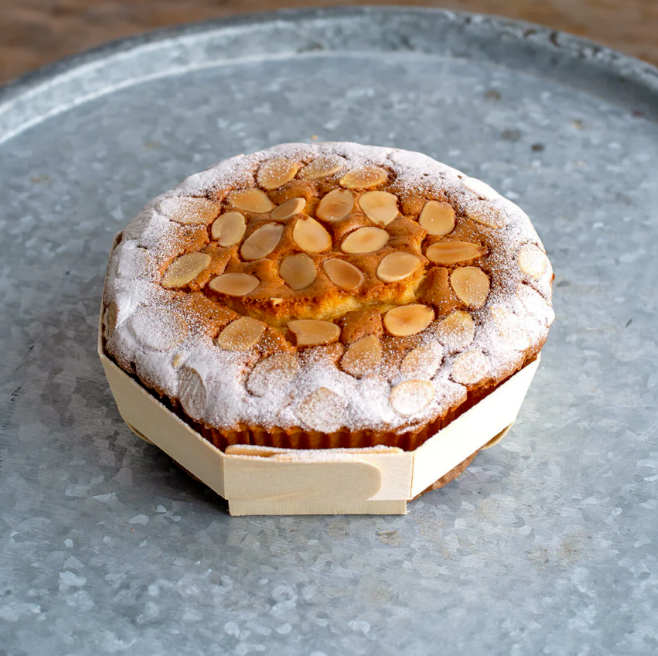
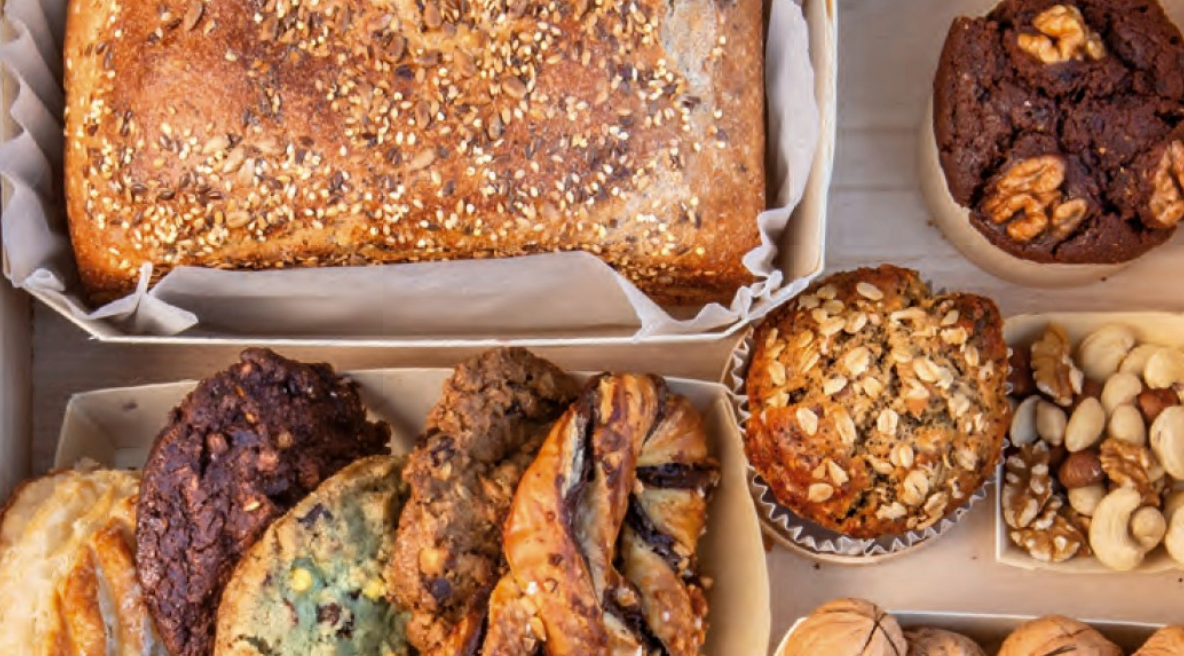
In the ever-evolving world of baking, disposable wooden baking molds have become a popular alternative to traditional metal or silicone molds. They are environmentally friendly, rustic, aesthetically pleasing, and easy to use, making them a favorite among professional bakers and home baking enthusiasts alike. However, every product has its advantages and disadvantages. Understanding these factors is crucial for making an informed choice that aligns with your baking needs and environmental principles. Leafyest is committed to providing sustainable, high-quality baking solutions, and this guide aims to comprehensively explain the key characteristics of disposable wooden baking molds.
What are Disposable Wooden Baking Molds?
Disposable wooden baking molds are baking containers designed specifically for baking purposes, intended for single or limited use, and are primarily made from natural wood. These molds are typically made from food-grade, sustainably sourced woods such as birch, bamboo, or pine, and are specially designed to withstand the high temperatures of an oven and maintain structural integrity during baking. They often feature perforations or ventilation holes to promote heat circulation and ensure even baking.
Unlike traditional metal or silicone molds, disposable wooden molds are environmentally friendly, biodegradable, and usually pre-lined with parchment paper or baking paper, eliminating the need for additional oiling or lining. They are perfect for special occasions, catering, or gift-giving where aesthetics and sustainability are paramount.
Key Advantages of Disposable Wooden Baking Molds
Disposable wooden baking molds are gaining popularity among specialty bakeries, food service companies, and eco-conscious food brands. These molds combine sustainability, practicality, and aesthetics, offering a practical alternative to traditional metal or plastic baking containers, especially suitable for large-scale production and high-end product displays.
1. Eco-friendly and Sustainable
One of the most significant advantages of disposable wooden baking molds is their eco-friendliness. Made from renewable and reliably sourced wood, these molds are biodegradable, decompose naturally, and pose no harm to the environment. Unlike plastic or non-recyclable materials, wooden molds help reduce waste, lower carbon emissions, and support sustainable baking practices that meet modern environmental standards.
2. Natural Beauty and Rustic Charm
Disposable wooden molds add a warm, natural touch to baked goods, enhancing their appearance without the need for additional embellishment. Their rustic appearance makes them particularly suitable for:
-Wedding favors and gift wrapping
-Artisan bakeries and craft markets
-Farm-to-table events and eco-themed celebrations
-This natural look conveys authenticity, quality, and sustainability—key values for premium artisanal food.
3. Convenience and Ease of Use
Wooden baking molds are designed for single or limited use, eliminating the need for washing, drying, or storage after baking. Their lightweight and portable nature makes them ideal for:
-Large catering events
-Outdoor events and pop-up bakeries
-High-volume seasonal production
This convenience saves time, manpower, and operating costs, allowing bakers to focus on product quality and efficiency.
4. Gentle Heat Distribution for Even Baking
Wood has low thermal conductivity, allowing heat to be transferred slowly and evenly during baking. This gentle heat distribution helps to:
-Prevent localized overheating or burning
-Maintain consistency in texture and moisture
-Enhance the baking results of delicate baked goods such as cakes, breads, and soufflés
This results in more even baking and higher product quality.
5. No Need for Greasing or Flouring
Many disposable wooden baking molds come pre-lined with parchment paper or baking paper, simplifying preparation and reducing cleanup. This feature:
-Shortened preparation time
-Minimizes mess and food waste
-Ensures easy and clean unmolding
It is especially suitable for professional kitchens where speed and consistency are paramount.
6. Food-safe materials
These molds are made from food-grade, sustainably sourced wood, making them safe for direct food contact. They meet relevant food safety standards, ensuring baked goods are free of any harmful chemicals, coatings, or contaminants. Therefore, they are suitable for commercial and retail food applications.
7. Cost-Effective for Large-Scale or Event Use
Disposable wooden baking molds offer excellent cost-effectiveness for bakeries, catering companies, and event organizers. Their single-use design avoids the following problems:
-Expensive investment in reusable molds
-Continuous cleaning and maintenance costs
-Storage space requirements
This makes them an economical and scalable solution for high-volume production and one-off events.
Disadvantages of Disposable Wooden Baking Molds
1. Limited reusability
As the name suggests, disposable wooden molds are primarily intended for single or limited use. Reuse can compromise their structural integrity, and improper cleaning can lead to cracking or warping.
2. Susceptibility to Moisture and Warping
Wood is inherently porous and highly sensitive to moisture. Exposure to excessive humidity or improper storage can lead to warping, swelling, or cracking. This limits the shelf life and reusability of the wood, especially in humid environments.
3. Potential Fire Hazard
Although wooden molds are designed for ovens, improper handling or exceeding recommended temperatures can still cause a fire. Wooden molds must be used within the specified temperature range and should be kept away from open flames or high-temperature heat sources.
4. Limited Heat Resistance and Structural Strength
Compared to metal or silicone molds, wooden molds have lower heat resistance and are prone to bending or breaking under high temperatures or prolonged baking. Therefore, they may not be suitable for high-temperature or long-term baking.
5. Environmental Impact of Production and Disposal
While wooden molds are biodegradable, their production process involves cutting, processing, and finishing. Improper sourcing of raw materials can exacerbate deforestation. Furthermore, improper disposal or incineration releases carbon emissions.
6. Limited Design Flexibility
Compared to silicone or metal molds, wooden molds typically offer fewer choices in terms of shape, size, and complexity of design. This limits the creative possibilities for making intricate or decorative baked goods.
7. Price Volatility and Market Availability
High-quality, sustainably sourced wooden molds can be more expensive than plastic or silicone molds. Furthermore, market availability may be limited, posing challenges to the supply chain for large-volume orders.
How to Choose the Right Wooden Disposable Baking Mold: Key Considerations
Choosing the right wooden disposable baking mold is crucial for achieving consistent baking results, ensuring food safety, and supporting sustainability. Whether you are a specialty bakery, food service company, or environmentally conscious brand, understanding the following key factors will help you make informed purchasing decisions.
Material Quality and Safety Standards
To ensure safety and reliability, always choose molds made from food-grade, sustainably sourced wood. High-quality wooden molds should be free of chemical treatments, synthetic adhesives, or harmful coatings. Look for authoritative certifications such as the FSC (Forest Stewardship Council), which confirm that the wood originates from responsibly managed forests. Meeting international food safety standards ensures that the mold is safe for direct contact with food.
Design and Size Options
Disposable wooden baking molds are available in a variety of shapes and sizes to meet diverse baking needs. You can choose molds based on product type, such as bread, cakes, muffins, or individual desserts.
Design features to consider include:
- Ventilation holes promote even heat circulation
- Pre-lined baking paper or parchment paper for easy unmolding and reduced preparation time
- Stable structure and uniform dimensions ensure consistent baking results
- Choosing the right design can improve efficiency and presentation.
Temperature Resistance and Durability
Check the mold's maximum temperature range to ensure compatibility with your baking process. High-quality wooden molds should maintain their shape and structural integrity at standard oven temperatures. Avoid thin-walled or poorly constructed products, as they may warp, crack, or scorch at high temperatures, affecting safety and product quality.
Environmental Impact and Disposal
Sustainability is a key consideration when choosing disposable baking molds. Choose manufacturers like Leafyest that prioritize environmentally friendly production methods and use biodegradable materials. Clear disposal, recycling, or composting guidelines help reduce environmental impact and support the values of an environmentally conscious brand.
Cost and Supply Chain Reliability
While cost is important, it should be balanced with quality and performance. Lower-priced molds may lead to inconsistent baking results, increased waste, and even safety hazards. Investing in high-quality wooden molds ensures better baking results, reduces product loss, and improves operational efficiency. Furthermore, reliable suppliers with stable production capacity and quality assurance help ensure a stable supply for continuous or large-scale baking operations.
Best Practices for Using Disposable Wooden Baking Molds
- Soak the wooden molds in water for 10-15 minutes before use to prevent deformation and ensure even baking.
- Use within the recommended temperature range to avoid structural damage.
- Avoid direct contact with open flames or the grilling function of the oven.
- To prevent baked goods from breaking, allow them to cool completely before removing them from the molds.
- After use, recycle or compost mold according to local waste management guidelines.
- Store in a cool, dry place to prevent moisture absorption and deformation.
Conclusion: Are Disposable Wooden Baking Molds Right for You?
Disposable wooden baking molds combine sustainability, aesthetics, and convenience. They are particularly suitable for special occasions, environmentally conscious bakeries, and outdoor events where aesthetics and environmental impact are important. However, due to limitations in reusability, heat resistance, and durability, they may not be suitable for all baking scenarios.
At Leafyest, we are committed to providing innovative and sustainable baking solutions that balance quality and environmental responsibility. Understanding the advantages and disadvantages of disposable wooden baking molds will help you make informed choices, enhancing your baking experience while supporting environmental practices.
Invest in high-quality, reputable wooden baking molds, follow best practices, and always consider reusability to meet ongoing baking needs. Embrace the rustic charm and environmental benefits of disposable wooden baking molds and confidently elevate your baking creations.
Leafyest's sustainable solutions enhance your baking experience. Contact us to explore our range of sustainable and environmentally friendly baking products designed to meet the needs of modern bakers committed to environmental protection. Choose Leafyest—the perfect combination of quality and sustainability.
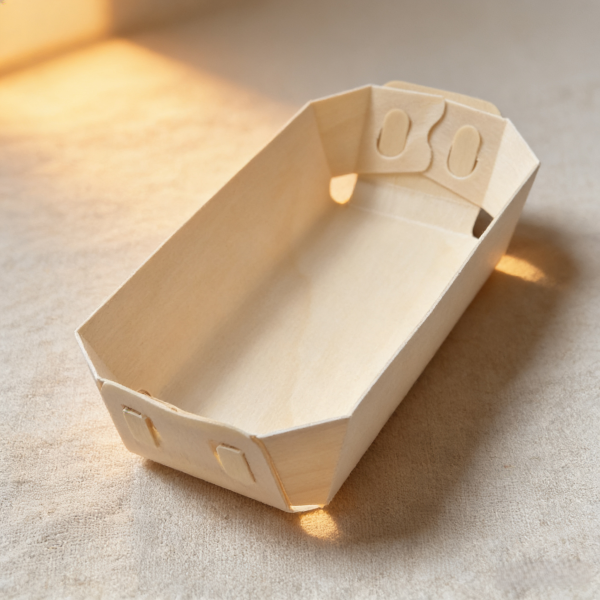
Elegant large-sized biodegradable wooden bread box made from natural wood. Perfect for bakeries, cafés, and eco-friendly food packaging.
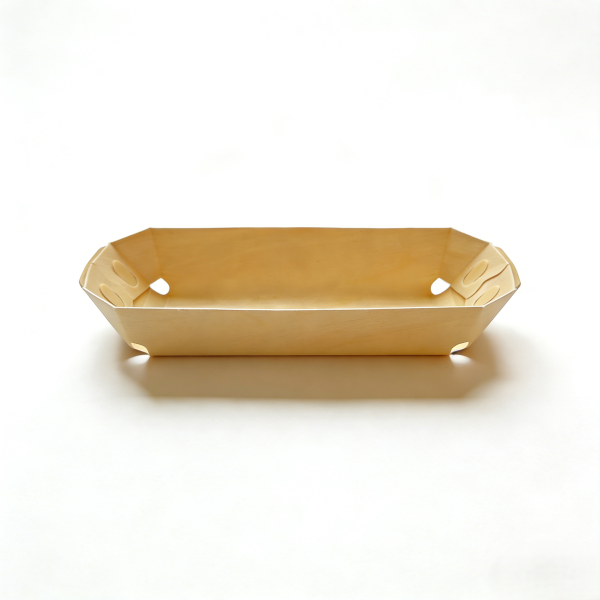
Our small-sized eco-friendly wooden bread box offers a durable, biodegradable, and elegant packaging solution ideal for pastries, bread, and light food service.
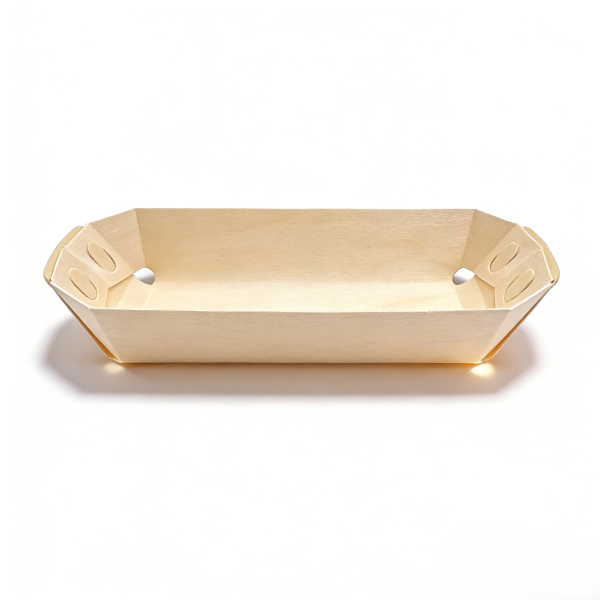
Our eco-friendly disposable wooden bread box is highly popular for its superior quality and environmental sustainability.