The Dragon Boat Festival: More Than Just Rice Dumplings
- Share
- Issue Time
- Jun 18,2026
Summary
Falling on the fifth day of the fifth lunar month, the Dragon Boat Festival honors patriotic poet Qu Yuan. Its key customs include dragon boat races, eating zongzi and anti-evil rituals. Now a Chinese public holiday, it spreads across Asia and the globe.
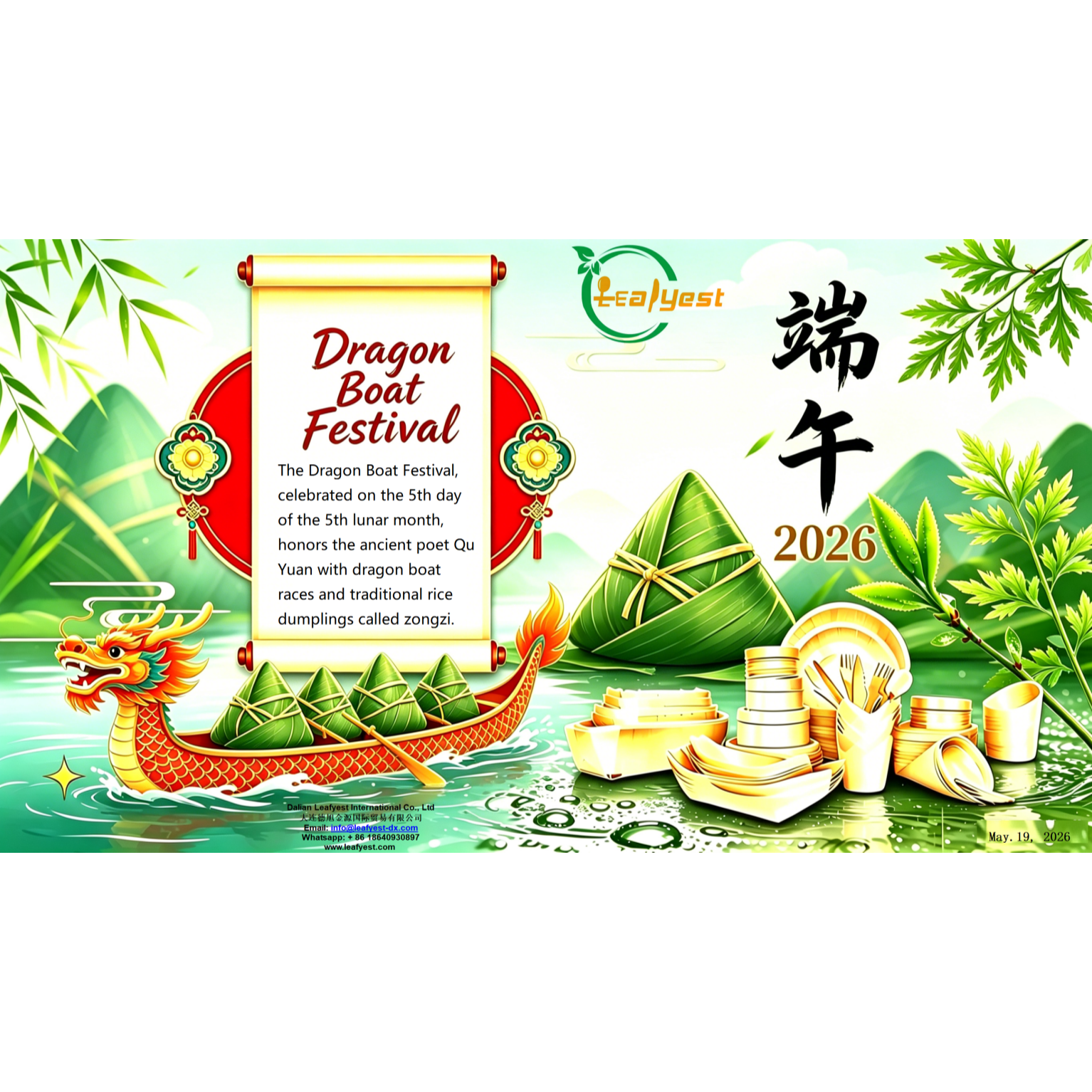
Every year, on the 5th day of the 5th month of the lunar calendar, a wave of excitement sweeps across China and many parts of East Asia. Streets fill with the fragrant aroma of sticky rice and bamboo leaves, rivers echo with the rhythmic beat of drums, and colorful silk sachets dangle from children's necks. This is the Dragon Boat Festival, or Duānwǔ Jié (端午节) — one of China's most cherished and ancient celebrations.
But behind the festive atmosphere lies a story of loyalty, sacrifice, and a nation's enduring memory.
The Legend Behind the Festival
Like many great traditions, the Dragon Boat Festival is rooted in legend. The most widely told story dates back over 2,000 years to the Warring States period. It centers on Qu Yuan (屈原), a beloved poet and patriotic minister of the State of Chu.
Qu Yuan was a man of integrity who wrote passionate poetry about his love for his country. However, when his wise counsel was ignored by the king and he was falsely accused of treason, he was exiled. In despair over his kingdom's corruption and inevitable fall, Qu Yuan drowned himself in the Miluo River on the 5th day of the 5th lunar month.
When the local people heard the news, they rushed to the river in their boats, beating drums and splashing their oars to scare away the fish and water dragons from devouring his body. They also threw packets of rice into the water as an offering to his spirit. This act of grief and respect evolved into the two most iconic traditions of the festival: dragon boat racing and eating zongzi (sticky rice dumplings).
Three Pillars of the Celebration
1. Dragon Boat Racing (赛龙舟)
The highlight of the festival is undoubtedly the dragon boat races. These are not casual paddles — they are fierce, high-energy competitions. The boats are long and narrow, decorated with painted dragon heads at the bow and tails at the stern, symbolizing power, strength, and good fortune.
Teams of up to 20 or more rowers paddle in perfect synchronization to the fast, steady beat of a large drum. The atmosphere is electric — crowds cheer from the riverbanks, firecrackers pop, and the air fills with adrenaline. Today, dragon boat racing has even become an international sport, with competitions held in cities around the world.
2. Zongzi (粽子) — The Festival's Signature Food
No Dragon Boat Festival is complete without zongzi. These are pyramid-shaped or cylindrical parcels of glutinous rice wrapped in bamboo or reed leaves, tied with colorful strings, and boiled or steamed.
The fillings vary by region. In the north, you'll find sweet versions with red bean paste or jujube dates. In the south, savory options dominate — think marinated pork belly, salted duck egg yolks, and mushrooms. Biting into a warm zongzi is like unwrapping a delicious, fragrant gift. The process of making them is often a family affair, with generations gathering together to fold, fill, and tie.
3. Warding Off Evil Spirits (驱邪避瘟)
The fifth lunar month was traditionally considered a "poisonous" time of year, when insects and diseases were most active. To protect themselves, people developed various rituals:
Hanging Mugwort and Calamus: These aromatic plants are hung above doorways to repel insects and evil spirits.
Wearing Scented Sachets: Children and adults alike carry colorful silk pouches filled with herbs and spices.
Drinking Realgar Wine: A traditional (and potent) wine made from fermented grains and realgar powder, believed to detoxify and ward off illness.
A Festival for the Modern World
Today, the Dragon Boat Festival is a public holiday in China, giving families time to gather, travel, and reconnect with tradition. While the ancient customs remain strong, the festival has also evolved. It is a time of cultural pride, culinary enjoyment, and community spirit.
Beyond China, the festival is celebrated in countries like Vietnam, South Korea, Singapore, and Malaysia — each adding its own local flavors and customs. And thanks to the global popularity of dragon boat racing, people of all backgrounds now participate in this vibrant tradition.
Final Thoughts
The Dragon Boat Festival is a beautiful tapestry of history, food, sport, and folklore. It reminds us that some stories are so powerful they become eternal — passed down through dumplings, drumbeats, and the splash of oars.
So, whether you're biting into a sweet or savory zongzi, cheering at a race, or simply learning about its origins, you are taking part in a celebration that has traveled through millennia — and that, in itself, is something worth honoring.
Happy Dragon Boat Festival!