The Rise of the Wooden Cup: Why This Disposable Is Here to Stay
- Share
- Issue Time
- Jul 8,2026
Summary
Disposable wooden cups serve as an eco-friendly alternative to plastic and paper cups. Made of treated birch or bamboo, they boast natural texture, great insulation and short-term moisture resistance. Biodegradable and carbon-light with renewable wood (opt for FSC-certified ones), they cost more and cannot hold liquids long but work perfectly for single-use solid food catering.
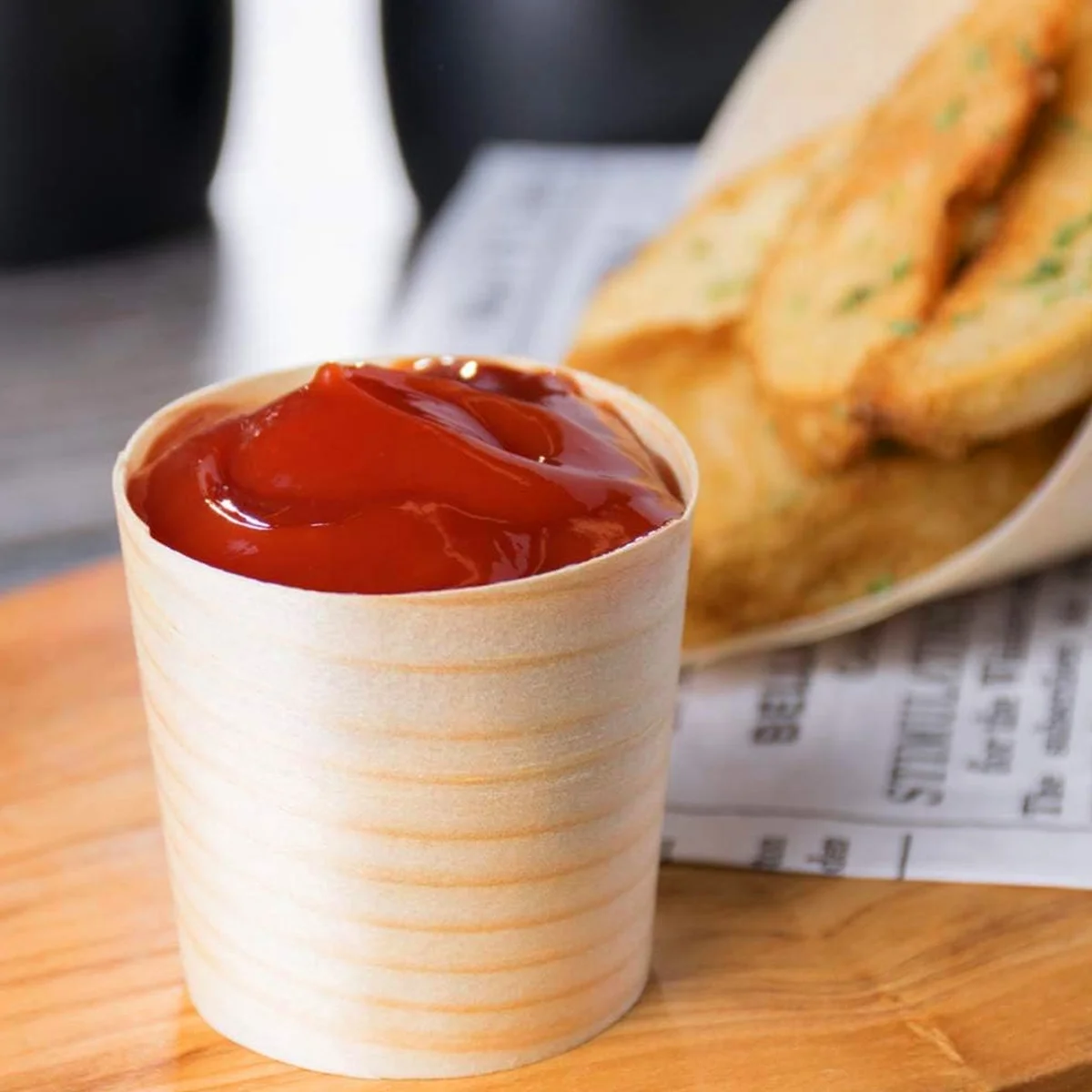
We’ve all been there. You’re at a bustling coffee shop, a food festival, or a backyard party, and you reach for a stack of plastic cups. They are lightweight, cheap, and—let’s be honest—a little bit sad. For years, we have accepted the flimsy paper cup and the fossil-fuel-derived plastic cup as the only options for on-the-go consumption. But there is a new (yet ancient) player on the scene that is changing the game: the disposable wooden cup.
Yes, you read that correctly. Wooden cups are not just for Renaissance fairs and historical reenactments anymore. They are making a serious comeback as a sustainable, stylish, and surprisingly practical alternative to single-use plastics and wax-coated paper.
The Aesthetics of Nature
The first thing you notice when you pick up a wooden cup is the texture. It’s not just a vessel; it’s an experience. The natural grain of the wood is visible, and each cup is slightly unique. Unlike the sterile uniformity of plastic, wood offers warmth. It feels good in your hand—solid, organic, and substantial.
For businesses, this is a game-changer. If you are serving artisan desserts, gourmet sauces, dips, or specialty snacks, a wooden cup elevates the presentation immediately. It tells your customer, "We care about quality." It communicates a connection to nature that millennial and Gen Z consumers are actively seeking out.
Beyond the Hype: The Practicality
Let’s address the elephant in the room: Doesn’t it get soggy? Doesn't it taste like a tree?
The answer, thanks to modern manufacturing, is no. High-quality disposable wooden cups are typically made from birch or bamboo. The wood is finely sanded and heat-treated to create a smooth surface that is gentle to the touch. You aren't eating splinters; you are eating from a surface that is naturally smooth and resistant to moisture for the duration of use.
In fact, wood is a fantastic insulator. For cold items like chilled desserts or creamy dips, it doesn't sweat like plastic or metal, meaning no more water rings on your table. For warm sauces or puddings, it stays comfortable to hold without burning your fingers.
The Environmental Edge
This is the big one. In a world drowning in plastic, the wooden cup offers a lifeline.
Biodegradability: A plastic cup takes up to 1,000 years to decompose in a landfill. A wooden cup? It decomposes naturally in a matter of weeks or months, returning to the earth as organic matter.
Renewable Resource: Unlike oil (used for plastic), wood is a renewable resource. Sustainable forestry practices ensure that for every tree harvested, more are planted.
Carbon Footprint: The manufacturing process for wooden cups requires significantly less energy than the production of plastic or aluminum. It is a low-tech, low-emission product.
However, it is important to note: Look for the FSC (Forest Stewardship Council) certification. This ensures that the wood you are using comes from responsibly managed forests.
The Drawbacks (Let's Be Honest)
No product is perfect. Wooden cups are generally more expensive than paper or plastic alternatives. They are also not designed for long-term storage or for holding liquids over extended periods. They are best suited for single-use or short-term serving of solid or semi-solid foods—which is exactly their intended purpose.
The Verdict
Disposable wooden cups represent a shift in our thinking. We are moving away from the idea that "disposable" means "cheap and disposable." We are moving toward an era where "disposable" means "biodegradable and responsible."
Whether you are hosting a wedding, running a food stall, or just looking to elevate your next gathering, the wooden cup is a choice you can feel good about. It is a small step that makes a big statement.
Next time you reach for a serving cup, ask for wood. Your hands—and the planet—will thank you.