Are Wooden Spoons Healthy? Debunking Myths About Bacteria and Chemicals
- Share
- Issue Time
- Jul 24,2026
Summary
A comprehensive scientific exploration debunking common myths about wooden spoons — addressing bacterial concerns and chemical leaching while revealing why natural wooden utensils are a healthy, sustainable choice for your kitchen.
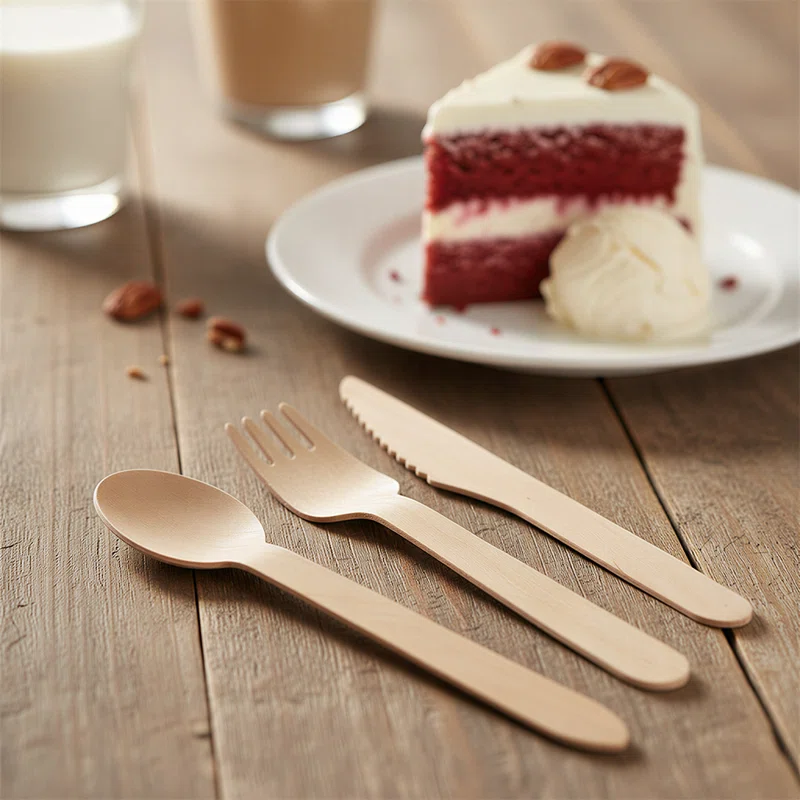
Are Wooden Spoons Healthy? The Truth About Bacteria and Chemicals
For generations, the humble wooden spoon has been a ubiquitous presence in kitchens worldwide, a silent workhorse stirring, mixing, and sautéing countless meals. Yet, despite their enduring popularity, these steadfast culinary companions have, in recent times, become the subject of considerable scrutiny and misinformation. Concerns regarding their hygiene, specifically their alleged propensity to harbor harmful bacteria, and the potential for chemical leaching have caused many to question their safety. At Leafyest, we understand these concerns and appreciate the desire for clear, accurate information when it comes to the tools you use to nourish yourself and your loved ones. In this comprehensive exploration, we aim to meticulously debunk these pervasive myths, revealing the true science and benefits behind choosing wooden spoons for a truly healthy and sustainable kitchen. We will delve into the intrinsic properties of wood, compare it rigorously with alternative materials, and provide definitive guidance on its optimal use and care.
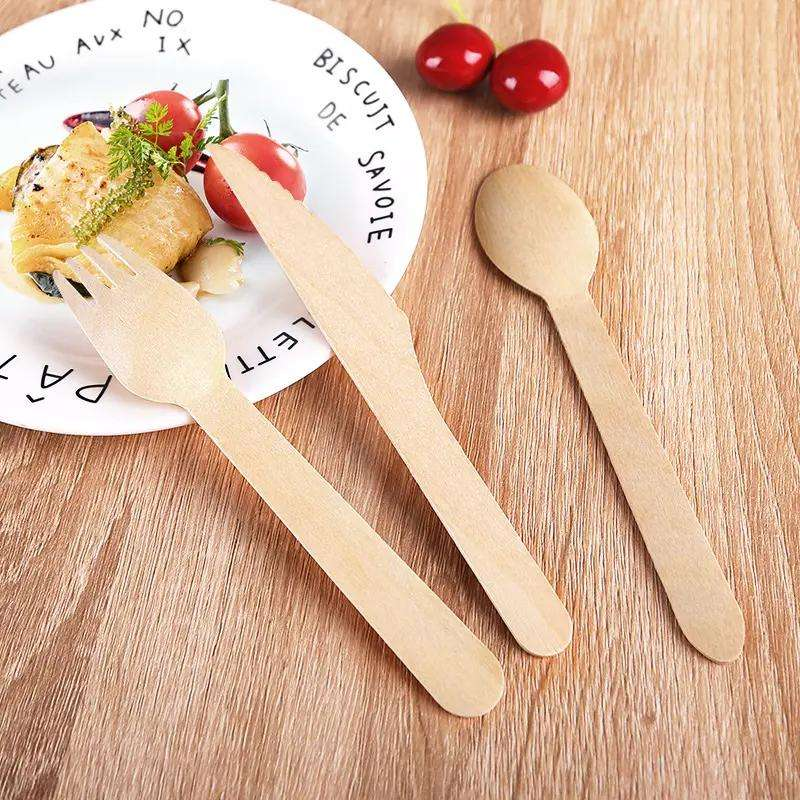
Unpacking the Pervasive Myth: Wooden Spoons as Bacterial Havens
One of the most persistent and alarming myths surrounding wooden spoons is the belief that their porous nature renders them a fertile breeding ground for dangerous bacteria. The argument often posits that food particles and moisture become trapped within the wood grain, creating an ideal environment for microbial proliferation that cannot be adequately cleaned. This notion, while seemingly logical on the surface, largely misrepresents the sophisticated biological and physical properties of natural wood.
Contrary to popular misconception, numerous scientific studies and extensive research have indicated that wood, under typical kitchen conditions, can be surprisingly antimicrobial. The hygroscopic nature of wood, meaning its ability to absorb and release moisture, plays a crucial role here. When wood dries, it draws moisture away from any surface bacteria that might be present, effectively dehydrating and eliminating them. Pathogenic microorganisms require a certain level of moisture to survive and multiply, and wood's natural drying process actively works against their viability.
Furthermore, some species of wood contain natural compounds, such as tannins, that exhibit inherent antibacterial properties. These compounds can actively inhibit bacterial growth, acting as a natural defense mechanism. While wood is indeed porous, unlike plastic, which when scratched creates microscopic crevices and scores that are ideal, protected havens for bacteria to lodge and multiply, the structure of wood's pores often leads to a different outcome. Bacteria tend to migrate into the wood grain, where they become trapped and, due to the lack of moisture and the presence of natural antimicrobial agents, are unable to reproduce and eventually die. Plastic utensils, conversely, develop countless microscopic cuts and abrasions from regular use and cleaning, which become impossible to thoroughly sanitize and present perfect breeding grounds for bacteria, despite appearing "smoother" to the naked eye.
When we consider the typical use-case for a wooden spoon – stirring hot foods, for instance – the heat itself contributes to bacterial reduction. Subsequent proper cleaning, which we will detail, further ensures that any remaining surface microbes are effectively removed. Therefore, the assertion that wooden spoons are inherently more unhygienic than their plastic or even metal counterparts is not only unsubstantiated but often directly contradicted by scientific evidence regarding kitchen hygiene and material science.
Deconstructing the Chemical Concern: Do Wooden Spoons Leach Harmful Substances?
Another significant area of apprehension revolves around the potential for chemical leaching from cooking utensils. In an era where awareness of plastics and their associated health risks (such as BPA and phthalates) is at an all-time high, it is understandable that consumers would extend this concern to all kitchen tools. However, for natural wooden spoons, this concern is overwhelmingly unfounded, especially when choosing high-quality, untreated products like those offered by Leafyest.
At its core, a natural wooden spoon is simply solid wood. It comprises cellulose, hemicellulose, and lignin – naturally occurring polymers that form the structural basis of plants. These compounds are entirely organic and non-toxic. Unlike many plastics, which are synthesized from petrochemicals and often contain additives, plasticizers, and dyes that can migrate into food, untreated wood contains no such questionable components. When heat is applied, or when the spoon comes into contact with acidic or oily foods, there is no risk of synthetic chemicals degrading or leaching into your meal because there are no synthetic chemicals present in the first place.
The only "treatment" often recommended for wooden spoons is the application of food-grade mineral oil or beeswax. This is not for chemical stability but for the maintenance and longevity of the wood itself, preventing it from drying out, cracking, and becoming brittle. Food-grade mineral oil is a non-toxic, non-digestible product, distinct from industrial oils, and is perfectly safe for contact with food. Similarly, beeswax is a natural product that poses no health risk. Reputable brands like Leafyest explicitly ensure that their wooden utensils are made from ethically sourced, untreated wood and recommend only food-safe conditioning practices, guaranteeing that your cooking remains pristine and free from undesirable contaminants.
The genuine concern about chemical leaching should rightfully be directed towards plastic utensils, especially those that are not rated as food-safe or are heavily scratched. These can release microplastics and endocrine-disrupting chemicals into food, particularly when exposed to heat or abrasive conditions. With a natural wooden spoon, you are embracing one of the purest and most inert materials available for cooking, aligning perfectly with a philosophy of toxic-free kitchenware.
The Undeniable Advantages: Why Wooden Spoons Reign Supreme
Beyond debunking myths, it is essential to highlight the myriad of positive attributes that firmly establish wooden spoons as a superior choice for any discerning home cook. These benefits extend from practical utility to environmental stewardship, reinforcing their value in a modern kitchen.
Gentle on Cookware Surfaces: One of the most celebrated advantages of wooden spoons is their inherent softness compared to metal. They will not scratch or damage delicate non-stick coatings, cast iron seasoning, or ceramic surfaces. This preserves the longevity and effectiveness of your valuable pots and pans, a significant economic and practical benefit.
Superior Heat Insulation: Wood is a poor conductor of heat. This means that a wooden spoon handle will remain cool to the touch even when left resting in a simmering pot for extended periods. This simple feature prevents accidental burns and significantly enhances comfort during cooking, a small but impactful detail that improves the overall culinary experience.
Non-Reactive with Foods: Unlike some metal utensils (e.g., aluminum, or even certain stainless steel grades with highly acidic foods), wood is entirely non-reactive. It will not impart any metallic taste to food, nor will it react with acidic ingredients like tomatoes or vinegars, ensuring the pure flavor of your dishes remains uncompromised.
Durability and Longevity: When properly cared for, a high-quality wooden spoon, such as those crafted by Leafyest, can last for decades, becoming a cherished heirloom in your kitchen. Their robustness allows them to withstand rigorous stirring, scraping, and mixing without bending or breaking, offering exceptional value over time.
Aesthetics and Tactile Comfort: There is an undeniable aesthetic and tactile pleasure in using a well-crafted wooden spoon. Their natural grain patterns, warmth, and smooth finish lend a rustic elegance to the kitchen. The ergonomic design and natural feel of wood in hand provide a comfortable and satisfying cooking experience that plastic or metal simply cannot replicate.
Sustainability and Eco-Friendliness: In an era of increasing environmental consciousness, wooden spoons stand out as an eco-conscious choice. Wood is a renewable resource, especially when sourced from sustainably managed forests, which is a commitment Leafyest upholds. Unlike plastics, which are petroleum-based and contribute to pollution, wooden utensils are biodegradable at the end of their very long life cycle, minimizing environmental impact.
Quiet Operation: Unlike metal utensils that clang and scrape against pots, wooden spoons offer a quieter cooking experience, adding to the tranquility of the kitchen environment.
These combined advantages make a compelling case for the continued and expanded use of wooden spoons, transforming them from mere tools into integral elements of a mindful and healthy cooking practice.
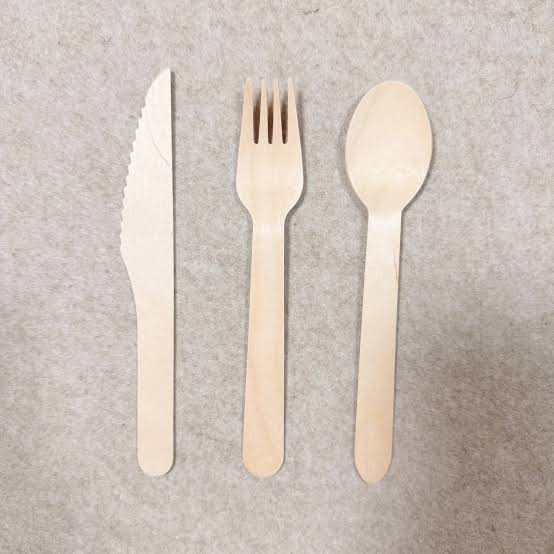
Choosing the Ideal Wooden Spoon: A Leafyest Guide to Quality and Type
Selecting the right wooden spoon is crucial to maximizing its benefits and ensuring its longevity. Not all wooden utensils are created equal, and understanding the nuances of material and construction can significantly impact your cooking experience and the spoon's health safety. At Leafyest, we pride ourselves on offering meticulously crafted wooden kitchenware designed for both performance and purity.
When choosing a wooden spoon, consider the type of wood. Popular choices often include:
Beech: Known for its fine, even grain and durability, beech wood is a common and excellent choice for kitchen utensils. It resists splintering and warping well.
Maple: A hard, dense wood with a tight grain, maple is incredibly strong and resistant to absorbing odors and flavors. It is an excellent option for heavy-duty use.
Cherry: Valued for its beautiful rich color, cherry wood is also hard and durable, developing a lovely patina with age.
Olive Wood: Renowned for its stunning natural grain patterns and hardness, olive wood is not only beautiful but also exceptionally resistant to odors and stains.
Bamboo: Technically a grass, bamboo is incredibly fast-growing and thus highly sustainable. It is lightweight, strong, and resists water absorption, making it a popular eco-friendly choice.
Beyond the species of wood, scrutinize the construction and finish. We at Leafyest advocate for utensils made from a single piece of wood, rather than glued laminates, to prevent separation and weak points. The surface should be smoothly sanded, free from splinters or rough patches, indicating quality craftsmanship. Crucially, ensure the spoon is untreated or finished only with food-grade mineral oil or beeswax. Avoid spoons with varnishes, lacquers, or chemical sealants, as these can chip, peel, and potentially introduce undesirable substances into your food. Our commitment at Leafyest is to provide you with only the purest, highest quality wooden utensils, crafted with care and free from any questionable coatings, ensuring absolute peace of mind.
Mastering the Art of Care: Ensuring Longevity and Hygiene for Your Wooden Spoons
Even the finest wooden spoon will not last indefinitely or remain hygienic without proper care. A simple yet consistent maintenance routine is key to preserving its beauty, preventing bacterial growth, and extending its life for decades.
Immediate Hand Washing is Paramount: Never place wooden spoons in a dishwasher. The extreme heat, harsh detergents, and prolonged exposure to moisture in a dishwasher can cause the wood to swell, crack, warp, and strip away its natural oils, leading to irreparable damage. Instead, wash your wooden spoon immediately after use with warm water and a mild dish soap. Use a sponge or brush to thoroughly remove all food residues.
Thorough Rinsing: Ensure all soap residue is completely rinsed off.
Prompt and Complete Drying: This is perhaps the most critical step for hygiene. Do not let your wooden spoon air dry on a wet counter or in a dish rack where it might remain damp. Instead, dry it immediately and thoroughly with a clean towel. Then, allow it to air dry completely in a well-ventilated area, preferably standing upright, before storing it. This rapid drying process is what prevents any potential bacterial growth and minimizes the risk of warping or cracking.
Regular Oiling/Conditioning: To nourish the wood and prevent it from drying out, cracking, and absorbing food odors, periodically (every few weeks, or when it starts to look dry) condition your wooden spoon with food-grade mineral oil or beeswax cream. Simply apply a generous amount with a clean cloth, let it soak in for several hours (or overnight), and then wipe off any excess. This rehydrates the wood, enhances its natural beauty, and creates a protective barrier.
Avoid Prolonged Soaking: While brief washing is fine, never leave wooden spoons to soak in water for extended periods. This can cause the wood to absorb too much water, leading to swelling, warping, and cracking.
Inspection and Replacement: Regularly inspect your wooden spoons for signs of wear. Deep cracks, splintering, or a persistent, unpleasant odor that cannot be removed through cleaning and oiling are indicators that it might be time to replace your spoon. At Leafyest, we craft our utensils for exceptional durability, but even the best tools have a lifespan.
By adhering to these straightforward care instructions, you not only ensure the hygiene of your wooden spoons but also extend their lifespan significantly, allowing them to remain a dependable and cherished part of your culinary journey for years to come.
Have Questions About Our Eco-Friendly Wooden Utensils?
At Leafyest, we are committed to providing the highest quality FSC-certified wooden spoons and sustainable kitchenware. Whether you need bulk wholesale orders, custom specifications, or simply want to learn more about our products, our team is here to help.
Contact Us Today or Send Your InquiryConclusion: Embracing the Healthful and Enduring Legacy of Wooden Spoons
In concluding our in-depth examination, it becomes abundantly clear that the common anxieties surrounding the health and hygiene of wooden spoons are largely unfounded myths. Through scientific understanding, we have systematically debunked the notion that wooden spoons are dangerous bacterial breeding grounds, revealing wood's surprising antimicrobial properties and the superior hygienic profile it often holds compared to plastic. We have also firmly dismissed the concerns about chemical leaching, emphasizing that natural, untreated wood offers a truly inert and toxic-free cooking experience, a stark contrast to many synthetic alternatives.
The truth is, wooden spoons offer an unparalleled combination of benefits: they are gentle on cookware, excellent insulators, non-reactive with food, incredibly durable, aesthetically pleasing, and remarkably sustainable. By choosing high-quality, ethically sourced wooden utensils, such as those thoughtfully provided by Leafyest, you are not just selecting a cooking tool; you are making a conscious decision towards a healthier kitchen, a more enjoyable cooking experience, and a more environmentally responsible lifestyle.
We encourage you to confidently embrace the timeless appeal and proven benefits of wooden spoons. With proper care, these natural marvels will serve you faithfully for generations, becoming cherished instruments in your culinary adventures, proving once and for all that when it comes to healthy and effective cooking, the enduring wisdom of wood truly prevails. Trust Leafyest to bring this tradition of quality and health into your home.