FSC Certified vs. Non-FSC Wooden Cutlery: Understanding the Key Differences with Leafyest
- Share
- publisher
- Leafyest
- Issue Time
- Jul 13,2026
Summary
In an era defined by increasing environmental consciousness, the choices we make, even down to our dining utensils, carry significant weight. The distinction between FSC Certified and non-FSC wooden cutlery represents a fundamental divide in environmental stewardship and ethical sourcing. Leafyest illuminates these critical differences to empower informed, sustainable choices.

Introduction
In an era defined by increasing environmental consciousness, the choices we make, even down to our dining utensils, carry significant weight. As businesses and individuals pivot towards more sustainable practices, wooden cutlery has emerged as a compelling alternative to traditional plastics. However, not all wooden cutlery is created equal. The distinction between FSC Certified and non-FSC wooden cutlery represents a fundamental divide in terms of environmental stewardship, ethical sourcing, and overall impact. At Leafyest, we are dedicated to illuminating these critical differences, empowering our community to make informed decisions that resonate with their commitment to a healthier planet.
The market for eco-friendly products is expanding rapidly, bringing with it a greater demand for transparency and verifiable claims. When it comes to wooden products, the Forest Stewardship Council (FSC) stands as a beacon of integrity, offering a robust certification system designed to promote responsible forest management worldwide. Understanding what this certification entails, and conversely, the implications of choosing non-FSC options, is paramount for anyone seeking to genuinely reduce their ecological footprint and support ethical supply chains.
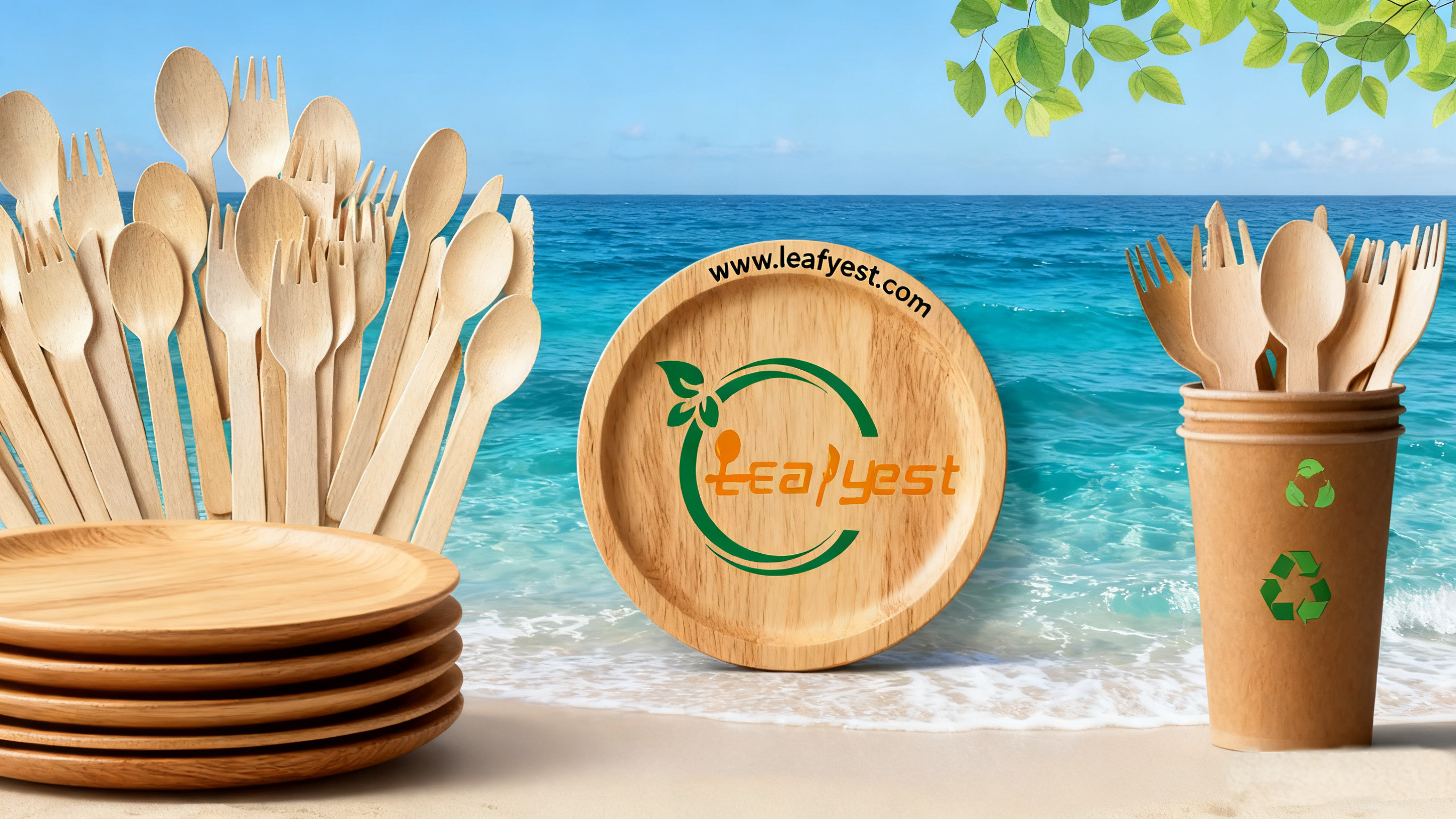
What Exactly is FSC Certification?
At the heart of responsible wood sourcing lies the Forest Stewardship Council (FSC), an international non-profit organization established in 1993. Its inception was a direct response to global concerns over deforestation, illegal logging, and the unsustainable management of the world's forests. The FSC's mission is elegantly simple yet profoundly impactful: to promote environmentally appropriate, socially beneficial, and economically viable management of the world's forests. This tripartite approach ensures a holistic view of sustainability, moving beyond mere tree planting to encompass the entire ecosystem and the communities reliant upon it.
The FSC has developed a rigorous, globally recognized system for certifying forests and the products that originate from them. This certification acts as a guarantee that the wood and wood products we purchase are sourced from forests that are managed in an environmentally sensitive, socially responsible, and economically viable manner. It's not just about replanting trees; it's about preserving biodiversity, respecting the rights of indigenous peoples, ensuring fair wages for workers, and maintaining the long-term health and vitality of forest ecosystems. For FSC Disposable Wooden Cutlery, this means that every step, from the forest where the wood is harvested to the final product on your table, adheres to a strict code of conduct.
The Foundational Principles of FSC
The FSC's certification system is built upon 10 core principles that forest operations must meet to achieve certification. These principles form a comprehensive framework for sustainable forestry practices, ensuring accountability at every level:
- Compliance with Laws: Forest management must comply with all applicable laws and international treaties.
- Workers' Rights: Uphold workers' rights with safe conditions, fair wages, and the right to organize.
- Indigenous Peoples' Rights: Recognize and respect the legal and customary rights of indigenous peoples.
- Community Relations: Contribute to the long-term social and economic well-being of local communities.
- Benefits from the Forest: Maintain or enhance economic, social, and environmental benefits.
- Environmental Values: Conserve ecosystem services, protect biodiversity, water resources, and fragile ecosystems.
- Management Planning: Written, implemented, and updated management plans appropriate to operations.
- Monitoring and Assessment: Conduct monitoring commensurate with the scale of forest management.
- High Conservation Values: Maintain or enhance areas of outstanding natural or cultural significance.
- Implementation of Activities: Consistent with the organization's economic, social, and environmental policies.
Adherence to these principles is rigorously audited by independent, third-party certification bodies, ensuring that certified operations are consistently meeting these high standards.
Navigating FSC Labels
When selecting FSC Certified products, you will encounter different labels, each conveying a specific level of sourcing responsibility:
- FSC 100%: All wood or fiber comes from FSC certified forests, guaranteeing complete traceability to a well-managed source.
- FSC Mix: Made from a mixture of FSC certified materials, recycled materials, and/or controlled wood verified to exclude illegal or unsustainable sources.
- FSC Recycled: Made from 100% recycled material, supporting the circular economy and reducing pressure on forest resources.
For wooden cutlery, we typically encounter FSC 100% or FSC Mix labels. At Leafyest, we prioritize sourcing products that meet the highest standards, ensuring our sustainable wooden cutlery aligns with these robust certifications.
The Critical Role of Chain of Custody (CoC)
FSC certification extends beyond the forest itself through Chain of Custody (CoC) certification. This system tracks FSC certified material from the forest through all stages of processing, manufacturing, and distribution. Each company handling FSC certified products must obtain its own CoC certification to maintain product integrity. This meticulous traceability is a cornerstone of the FSC's credibility and is why we at Leafyest place such importance on sourcing from CoC certified suppliers.
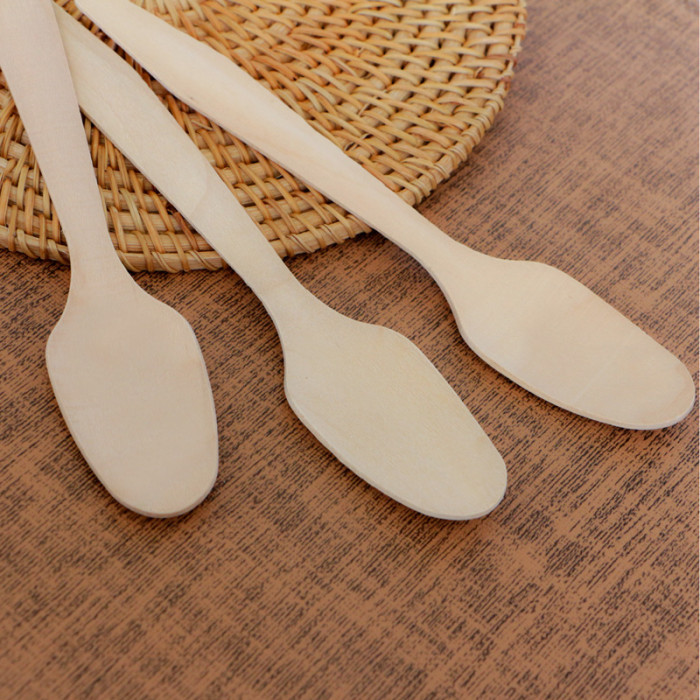
The Landscape of Non-FSC Wooden Cutlery: Risks and Realities
While the growth of FSC Certified products is encouraging, a significant portion of the market still comprises non-FSC wooden cutlery. These products do not carry the FSC logo, meaning they have not undergone the rigorous third-party auditing process that verifies responsible forest management. This absence of certification introduces a crucial element of uncertainty and risk.
Non-FSC wooden cutlery can originate from various sources — from forests with less stringent regulations to, more concerningly, unsustainable or even illegal logging operations. Without the Forest Stewardship Council's verification, consumers and businesses lack the assurance that their choices contribute positively to global forest health.
Potential Risks Associated with Non-FSC Wood
- Deforestation and Forest Degradation: Unregulated logging is a primary driver of deforestation, without proper replanting or management plans.
- Loss of Biodiversity: Unsustainable logging practices obliterate critical habitats, pushing species toward extinction.
- Illegal Logging and Associated Crime: The illegal timber trade is a multi-billion-dollar industry often linked to organized crime.
- Violation of Indigenous and Workers' Rights: Many non-certified operations disregard local communities' rights and safety.
- Lack of Traceability: Without a Chain of Custody system, consumers cannot verify sustainability claims.
Did you know? Choosing FSC Certified wooden cutlery from Leafyest ensures that every piece supports responsible forest management, biodiversity protection, and fair labor practices. Explore our range of FSC Disposable Wooden Spoons, FSC Disposable Wooden Forks, and FSC Disposable Wooden Knives to make a positive impact today.
Why FSC Certified Cutlery Stands Apart
The distinctions between FSC Certified and non-FSC wooden cutlery are profound, extending far beyond a simple label. They encapsulate divergent philosophies toward nature, communities, and the future of our planet.
Environmental Impact
FSC certified forests are managed to protect biodiversity, maintain sustainable harvesting rates, preserve ecosystem services such as water filtration and carbon sequestration, and combat climate change by preserving vital carbon sinks. In contrast, non-FSC operations often prioritize timber extraction above all else, leading to significant habitat destruction.
Social and Ethical Considerations
FSC certification provides invaluable social safeguards: it respects indigenous peoples' rights, ensures worker welfare with fair labor practices, and emphasizes community engagement. This stands in stark contrast to many non-certified operations where labor exploitation and hazardous environments can be prevalent.
Economic Advantages
Choosing FSC Certified wooden cutlery carries significant economic benefits — enhanced brand reputation, market access in regions where FSC is required, and long-term supply sustainability. While FSC certified products may carry a slightly higher price point, this premium reflects the true environmental and social cost of production. Learn more about our FSC Disposable Wooden Cutlery Sets.
Quality and Performance
Forests managed under FSC standards often produce wood that is stronger, more consistent in quality, and less prone to defects — contributing to more durable and pleasant-to-use wooden cutlery.

The Leafyest Commitment to Sustainability
At Leafyest, our foundation is built upon the principles of sustainability and responsible consumption. This commitment permeates every decision, from product design to sourcing and packaging. It is precisely why we have made the unequivocal choice to offer predominantly FSC Certified wooden cutlery to our customers. We firmly believe that transparency and verifiable sustainability are not just desirable traits; they are absolute necessities.
We understand that our customers seek solutions that contribute positively to the planet without compromising on quality. By prioritizing FSC certification, every piece of Leafyest wooden cutlery comes from forests managed with the utmost care for the environment and communities. Learn more about our story and commitment to sustainable practices.
How to Identify FSC Certified Wooden Cutlery
- Look for the FSC Logo: The "tick-tree" logo is the most definitive indicator.
- Check for the License Code: Every FSC certified product has a unique license code (e.g., FSC® C000000) verifiable on the FSC database.
- Read Product Descriptions: Reputable brands clearly state FSC certification in descriptions and packaging.
- Ask Your Supplier: A transparent supplier will provide documentation regarding their FSC certification.
Beyond Certification: A Holistic View
While FSC certification is a powerful indicator of responsible sourcing, true sustainability encompasses the entire lifecycle. At Leafyest, we consider manufacturing processes for energy efficiency, end-of-life solutions where wooden cutlery is naturally biodegradable and compostable, and packaging that is minimal and recyclable. Browse our complete product range to see our holistic approach to sustainability.
The Future of Sustainable Dining
The shift toward sustainable dining practices is not merely a trend; it is a vital evolution. By consciously opting for FSC Certified wooden cutlery, we actively participate in a global movement to protect our forests, support ethical labor, and combat climate change. Every purchase sends a powerful signal to the market, reinforcing demand for sustainable practices. Read more articles on sustainable dining and eco-friendly choices.
Conclusion
In conclusion, the distinction between FSC Certified and non-FSC wooden cutlery represents a fundamental difference in our approach to the environment, society, and the future. FSC certification is a robust, internationally recognized standard that assures responsible forest management, protecting biodiversity, upholding indigenous rights, ensuring fair labor, and contributing to climate change mitigation.
At Leafyest, we are steadfast in our commitment to offering only the most sustainable wooden cutlery, meticulously sourced from FSC Certified forests. We invite you to contact us or explore our FSC Disposable Wooden Cutlery collection to join us in making conscious choices that resonate with your values — one meal at a time.