The Definitive Guide to Disposable Wooden Cutlery Manufacturing Process | Leafyest Sustainable Solutions
- Share
- Issue Time
- Jul 15,2026
Summary
In an era increasingly defined by environmental consciousness, the demand for sustainable alternatives to single-use plastics has surged exponentially. Among the most innovative and rapidly growing solutions is disposable wooden cutlery. At Leafyest, we are not merely manufacturers; we are pioneers in sustainable practices, meticulously crafting premium-grade, eco-friendly wooden utensils.
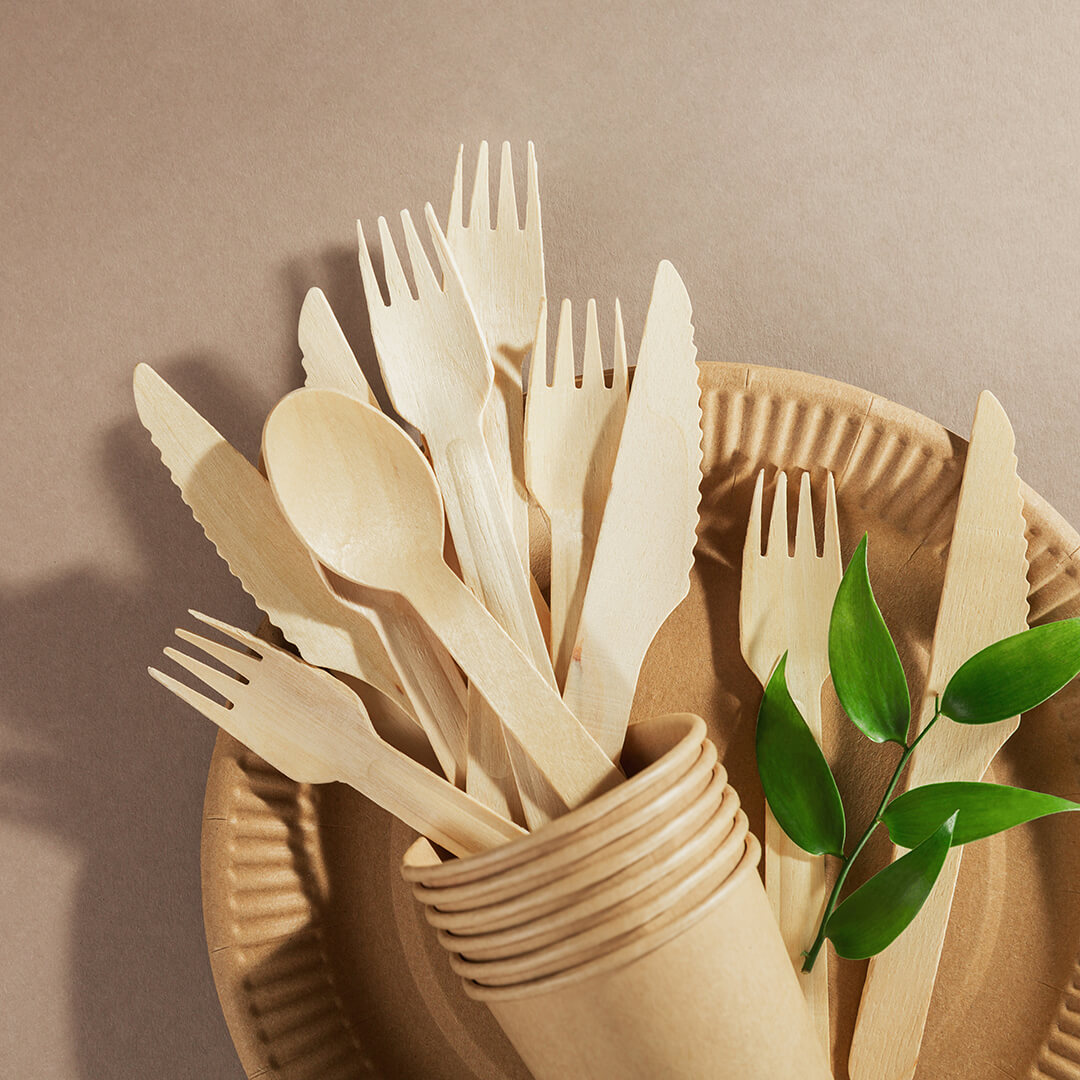
In an era increasingly defined by environmental consciousness, the demand for sustainable alternatives to single-use plastics has surged exponentially. Among the most innovative and rapidly growing solutions is disposable wooden cutlery. At Leafyest, we are not merely manufacturers; we are pioneers in sustainable practices, meticulously crafting premium-grade, eco-friendly wooden utensils that serve both functionality and our planet. Our commitment extends far beyond the final product; it encompasses every intricate stage of the disposable wooden cutlery manufacturing process, ensuring unparalleled quality and environmental responsibility. We invite you to delve deep into the journey, from forest to table, understanding the precision, technology, and dedication that defines Leafyest's sustainable solutions.
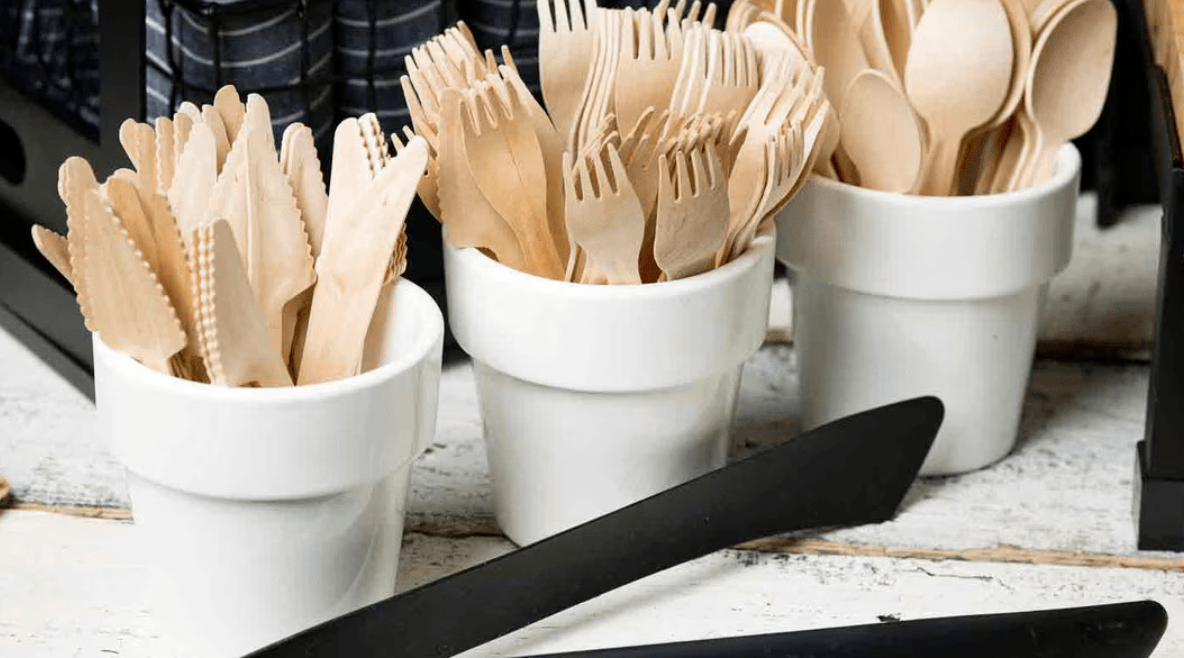
1. Sustainable Raw Material Sourcing: The Foundation of Eco-Excellence
The genesis of every Leafyest wooden utensil begins with a profound commitment to sustainable forestry. We understand that the environmental integrity of our product hinges entirely on the origins of our raw materials. Therefore, we exclusively partner with certified suppliers who adhere to the strictest global standards for sustainable forest management, such as FSC (Forest Stewardship Council) or PEFC (Programme for the Endorsement of Forest Certification). This ensures that the timber we utilize is harvested responsibly, promoting biodiversity, protecting ancient forests, and replanting at a rate that exceeds consumption.
Our primary material of choice is birchwood. Birch is not merely selected for its rapid growth cycle and abundant availability in sustainably managed forests; its inherent properties make it ideal for cutlery production. Birchwood possesses a fine, uniform grain structure, exceptional tensile strength, and natural resistance to splintering, all crucial characteristics for crafting smooth, robust, and food-safe utensils. Furthermore, its light color and neutral flavor profile ensure that our cutlery will not impart any unwanted taste or aroma to food, preserving the culinary experience. We receive our birchwood in the form of carefully selected logs, which undergo initial inspections to ensure they meet our rigorous specifications for moisture content, diameter, and absence of defects. This foundational step is paramount; the quality of the raw material directly dictates the integrity and performance of the final disposable wooden cutlery.
2. Pre-Processing and Log Preparation: Laying the Groundwork for Precision
Upon arrival at our state-of-the-art manufacturing facility, the birchwood logs embark on their transformative journey. The initial pre-processing phase is a critical preparatory step, designed to optimize the wood for subsequent stages. Each log is meticulously examined for any imperfections, knots, or deviations that could compromise the quality of the final product.
The logs then undergo a process of debarking. This involves carefully removing the outer bark layer, which can harbor impurities and impede the smooth operation of subsequent machinery. Automated debarking machines efficiently strip the bark without damaging the valuable wood beneath. Following debarking, the logs are typically cut into specific lengths, known as billets, which are precisely dimensioned to maximize yield and uniformity during the peeling process. These billets are then often subjected to a steam treatment or hot water soaking. This crucial step serves multiple purposes: it softens the wood fibers, making them more pliable and easier to cut without tearing, thereby reducing material waste and improving the surface finish of the veneer. The precise duration and temperature of this treatment are carefully controlled, often ranging from several hours to a full day, depending on the wood's initial condition and the desired characteristics of the veneer. This preparation significantly contributes to the smooth, splinter-free finish that Leafyest cutlery is renowned for.
3. Veneer Peeling: The Art of Thin Slicing
With the logs prepped, the next stage involves transforming solid wood into thin, continuous sheets known as veneers. This is achieved using specialized rotary peeling machines. A debarked and conditioned log is mounted centrally in the peeler and rotated rapidly against a stationary blade. This blade, incredibly sharp and precisely angled, shaves off a continuous, thin layer of wood — much like unrolling a giant scroll.
The thickness of this veneer is a critical parameter, typically controlled to within a fraction of a millimeter (e.g., 1.5mm to 2.5mm), depending on the specific cutlery item being produced (fork, spoon, or knife) and its desired strength and flexibility. Maintaining a consistent veneer thickness is essential for subsequent shaping operations and for ensuring the uniform strength and aesthetic appeal of the final product. The continuous birchwood veneer unwinds from the log, creating long sheets that are then automatically conveyed to the next stage. This high-speed, high-precision process is a cornerstone of efficient wooden cutlery manufacturing, minimizing waste and maximizing material utilization. The integrity of the veneer at this stage directly influences the structural stability of the finished utensil.
4. Die-Cutting and Shaping: Precision in Form
Once the continuous birchwood veneer sheets are produced, they are transported to the die-cutting machines. This stage is where the raw material truly begins to take the recognizable form of disposable wooden cutlery. High-precision steel rule dies, custom-designed for each specific utensil type (forks, spoons, knives, stirrers), are used to punch out the individual pieces from the veneer sheets.
The die-cutting process is highly automated and extremely efficient. The veneer sheets are fed into the machine, and the dies press down with immense force, cleanly cutting multiple utensil blanks simultaneously. The design of these dies is meticulously engineered to minimize material waste, often interlocking the shapes to achieve maximum yield from each veneer sheet. For example, the negative space from cutting a spoon might be used to cut a smaller item or simply minimized. This not only makes the Leafyest manufacturing process more cost-effective but also enhances our commitment to resource efficiency and waste reduction. After cutting, the individual cutlery blanks are carefully separated from the residual veneer, which is then collected for potential recycling or use in other applications, such as biomass fuel. This step demands absolute precision to ensure that each utensil has the correct dimensions, smooth edges, and consistent shape, vital for both aesthetics and functionality.
5. Polishing and Smoothing: The Signature Leafyest Finish
One of the distinguishing features of Leafyest wooden cutlery is its exceptionally smooth, splinter-free finish. This is achieved through a multi-stage polishing and sanding process that follows the die-cutting. The freshly cut wooden blanks, while shaped, still retain microscopic fibers and a slightly rough texture that can lead to splinters if not properly addressed.
Our polishing regimen typically involves a combination of mechanical sanding belts and tumbling machines. The blanks are fed into specialized sanding machines equipped with very fine-grit abrasive belts that gently smooth the surfaces and edges. This process is carefully controlled to remove any sharp edges or rough patches without diminishing the structural integrity of the utensil. Following this, the cutlery blanks may enter large rotary tumbling barrels. These barrels contain a polishing medium, often natural waxes or fine abrasives, and are rotated for a specific duration. The continuous gentle friction created by the tumbling action further smooths the wood, burnishing its surface to a soft sheen and ensuring every edge is perfectly rounded and pleasant to the touch. This meticulous finishing process is critical for user comfort and safety, solidifying the premium quality associated with Leafyest's eco-friendly utensils. It also makes the wood less porous and more resistant to moisture absorption during use.
6. Advanced Sterilization and Drying: Ensuring Hygiene and Stability
Hygiene and product stability are paramount for disposable wooden cutlery. After the polishing stage, our utensils undergo a rigorous sterilization and drying process to meet the highest food safety standards and prevent warping or mold growth. Even though the wood has been exposed to high temperatures during steaming, additional steps are taken.
The primary method for sterilization often involves high-temperature treatment in specialized ovens or chambers. This process effectively eliminates any potential microorganisms, bacteria, or pathogens that might be present on the wood's surface, rendering the cutlery completely hygienic and safe for food contact. The temperature and duration of this treatment are precisely calibrated to achieve complete sterilization without compromising the structural integrity or natural properties of the birchwood. Concurrently, or as a subsequent step, controlled drying is essential. Although wood naturally contains some moisture, excessive moisture can lead to warping, cracking, or susceptibility to mold. Our advanced drying chambers utilize controlled temperature and humidity settings to reduce the moisture content of the cutlery to an optimal, consistent level. This ensures that the Leafyest cutlery remains stable, strong, and perfectly shaped throughout its shelf life and during use, guaranteeing a consistently high-quality experience for our customers.
7. Rigorous Quality Control and Inspection: Our Promise of Excellence
At Leafyest, quality is not just a department; it is an intrinsic part of our culture and an ongoing process woven into every stage of disposable wooden cutlery manufacturing. Following sterilization and drying, each batch of cutlery undergoes a series of stringent quality control and inspection checks. Our dedicated quality assurance team employs both automated systems and meticulous manual inspections to identify and address any deviations from our exacting standards.
Inspections include visual checks for surface smoothness, absence of splinters, consistent color, and any aesthetic imperfections. Dimensional accuracy is verified using precise measurement tools to ensure that each fork, spoon, and knife conforms to our specified lengths, widths, and thicknesses. We also conduct breakage tests and flexibility assessments to confirm the structural integrity and durability of the utensils under normal usage conditions. Furthermore, samples are regularly tested for moisture content and submitted for independent laboratory analyses to ensure compliance with international food safety regulations and to confirm the absence of any harmful chemicals or residues. Only cutlery that passes every single one of these rigorous checks proceeds to the next stage, reinforcing the Leafyest promise of premium, reliable, and safe eco-friendly cutlery.
8. Packaging Solutions: Protecting the Product and the Planet
The final stage of the disposable wooden cutlery manufacturing process at Leafyest focuses on thoughtful and sustainable packaging. Recognizing that our commitment to the environment extends beyond the product itself, we utilize packaging materials that align with our core values of sustainability.
Our packaging solutions are designed to protect the integrity of the cutlery during transit and storage while minimizing environmental impact. We predominantly use recycled and recyclable cardboard boxes, biodegradable paper wraps, and compostable film for individual or bulk packaging. For retail packs, we meticulously design attractive, informative packaging that highlights the eco-friendly attributes of our products and educates consumers about their sustainable choice. The cutlery is carefully arranged to prevent damage and maintain hygiene. Automated packaging lines efficiently count, wrap, and box the finished products, but human oversight ensures that each package meets our quality standards before sealing. Our logistics team then prepares these expertly packed products for distribution, ensuring they reach our global partners and customers in pristine condition, ready to deliver a sustainable dining experience that Leafyest is proud to stand behind.

Conclusion: Leafyest's Commitment to a Greener Future
The disposable wooden cutlery manufacturing process is a testament to the synergy of natural resources, advanced technology, and unwavering dedication. At Leafyest, we have refined each step, from the sustainable sourcing of premium birchwood to the precision of die-cutting, the meticulous polishing, advanced sterilization, and responsible packaging. Our journey is one of continuous innovation, striving to not only meet but exceed the demands for eco-friendly, high-quality disposable utensils.
We believe that every fork, spoon, and knife we produce is a small yet significant step towards a healthier planet. By choosing Leafyest's sustainable wooden cutlery, you are not just selecting a product; you are endorsing a comprehensive philosophy of environmental stewardship, uncompromised quality, and a commitment to a greener future. We are proud to lead the charge in offering biodegradable alternatives that empower businesses and consumers alike to make responsible choices without sacrificing functionality or aesthetic appeal. Explore our full range of eco-friendly products and join us in embracing the future of sustainable dining, one meticulously crafted wooden utensil at a time.